

What is Truth
By Neal What is Truth? Quite simply, Truth is what is. If that is the case then why for ages has mankind been searching for Truth? Understanding Truth has been…

By Vicky
Life has a way of pulling us into chaos, through stress, emotional turbulence, shifting responsibilities, or unexpected changes in our environment. In these moments, our habits often become unstable, and we find ourselves falling back into old patterns we thought we had outgrown. This instability is not a sign of weakness or failure; it is a reflection of how deeply our behaviors are affected by our mental and emotional state. When the brain is under stress, the regions responsible for discipline, planning, and self-control are compromised. Instead of acting with intention, we revert to automatic coping mechanisms that feel familiar, even if they do not serve our well-being.

Meditation offers a powerful antidote to this instability, not by changing what happens around us, but by transforming our internal response to it. Instead of being swept away by external circumstances, meditation anchors us in awareness. As we practice sitting in stillness and observing our thoughts without judgment, we begin to strengthen the mind’s ability to pause, reflect, and choose. This shift is subtle yet profound. Meditation rewires the brain to be less reactive and more resilient, allowing us to notice the urge to fall back into a negative habit before acting on it. We gain a new kind of power: the power of conscious choice.
Over time, this practice builds emotional stability. Rather than escaping discomfort through familiar but unhealthy behaviors, meditation trains us to hold discomfort with compassion. We become less controlled by stress and more connected to clarity. Our habits, the daily choices that build the architecture of our lives, begin to align with our deeper values rather than our temporary emotions.
This transformation is not theoretical; it is deeply personal. My own life was once defined by relentless crises.The constant stress of family members’ addictions and medical issues created a reality where survival, not peace, felt like the norm. I carried heavy emotions, resentment, grief, anxiety and believed that my stability was tied to their behavior. When they struggled, I fell apart. When they were unstable, I became unstable. Meditation became the turning point. It was not merely an act of relaxation; it was a disciplined journey into my own mind, where I confronted long-held beliefs and emotional burdens passed down from childhood. Through this inner work, I began to release the toxic patterns I had internalized. The resentment loosened its grip. The hatred dissolved. I began to realize that I could hold compassion for others without losing myself in their pain.
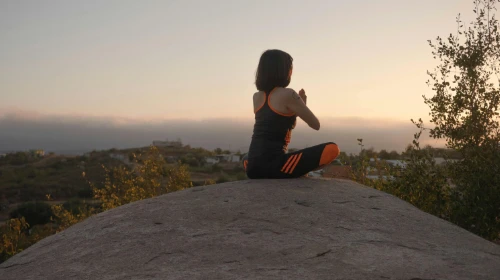
The most profound transformation came when I discovered that my peace was not dependent on the wellness or chaos of others. I found an unshakable calm that came not from control, but from surrender. Meditation led me to understand that stability is not something I find in the outside world; it is something I cultivate within. I am not alone, and I never have been. There is a universal presence whether we call it energy, spirit, or consciousness that I can return to at any moment through stillness.
In moving from chaos to clarity, I came to see that meditation is not about escaping life. It is about becoming deeply present to it, with a calm mind and an open heart. It is about choosing awareness over autopilot, intention over reactivity, and peace over internal conflict. Through this practice, I have stepped into wholeness. I am now the most complete and grounded version of myself not because life has become easier, but because I have become stronger, clearer, and more connected to the truth within me.
Meditation did not remove my challenges. It revealed my strength. It did not silence the noise around me. It amplified the stillness within me. And in that stillness, I found the foundation for lasting change, a foundation no amount of external chaos can ever shake.



Visit us at OMEmeditation.org for the latest in programming.